
Epona’s Song and the Road Beyond Lon Lon Ranch
- Nov 15, 2026
- 0
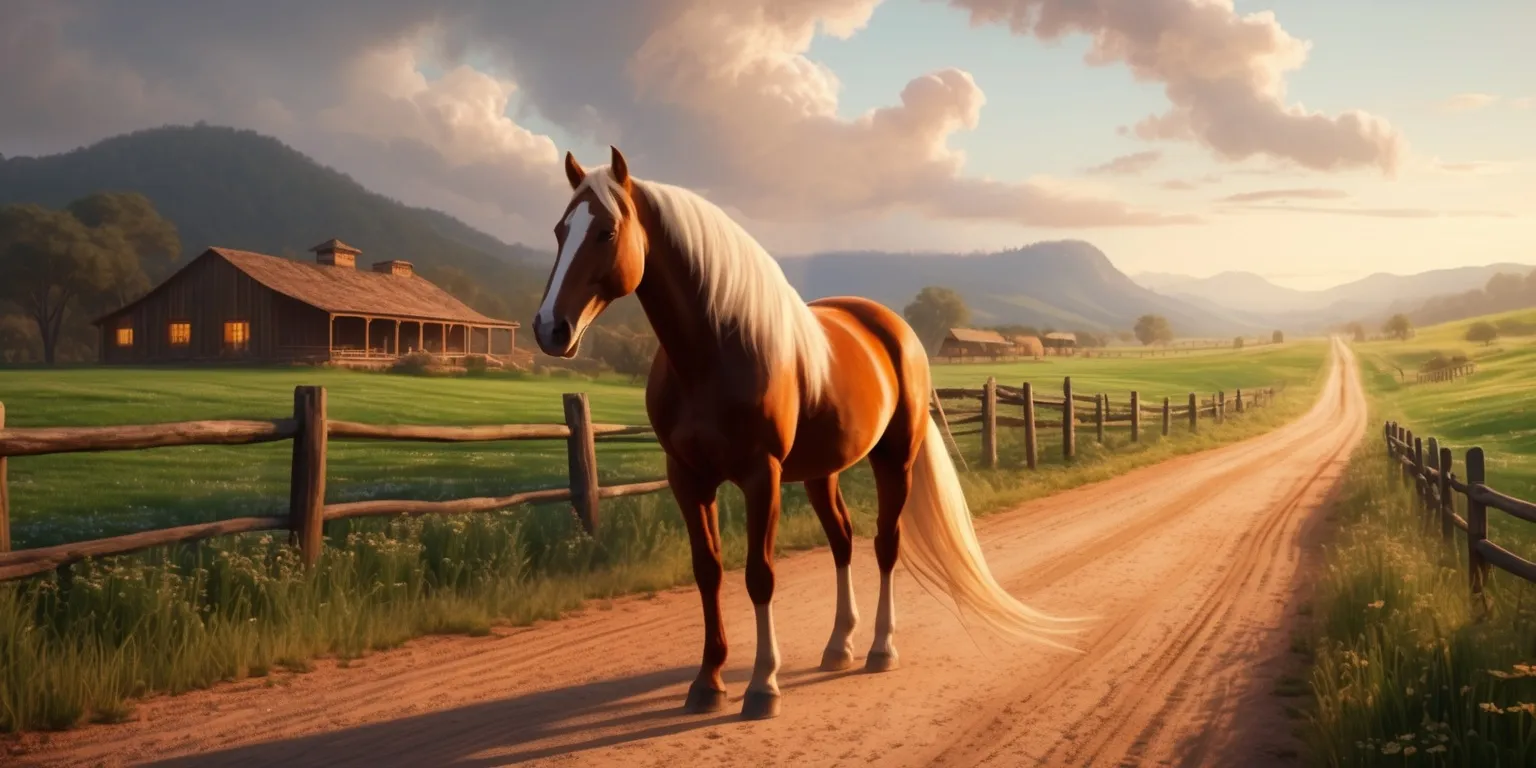
Securing Epona’s Song in Zelda: Ocarina of Time Remake is one of those moments that changes the rhythm of the whole journey. The world becomes easier to cross, the roads feel less like a burden, and even familiar regions gain a new sense of scale once a horse is part of the adventure. What begins as a simple musical lesson at Lon Lon Ranch unfolds into a small chain of challenges involving timing, control, and a bit of rivalry. The process is not complicated in a mechanical sense, but it does ask the player to understand how the ranch works, how Epona responds to music, and how to handle horseback movement inside a confined track before heading out into the wider fields of Hyrule.
The ranch under a new banner
When Adult Link returns to Lon Lon Ranch, the place no longer feels like the same friendly home base from earlier in the adventure. The atmosphere has shifted, the management has changed, and the ranch now operates under Ingo’s control. That change is more than narrative dressing, because it creates the setup for the entire Epona sequence. Ingo stands near the horse pen and offers access to riding for 20 Rupees, which makes the ranch feel like a practice ground before the real test begins. This is also the first time the player can interact with the mounted controls in a meaningful way. The setting is compact, clear, and easy to read, giving the whole quest a strong sense of progression rather than a sudden leap into complexity.
Learning the mood of the horse pen
Before chasing a victory, it helps to spend time simply riding around. The horse pen gives a controlled environment where movement can be understood without the pressure of open terrain or hostile enemies. It is one of the nicer design choices in the sequence, because it lets players absorb the feel of horseback travel at their own pace. The turns are tight enough to matter, the borders are visible enough to teach spacing, and the arena-like shape makes every movement easy to judge. Even if the riding initially feels unfamiliar, the pen acts as a useful training space. The player learns how Epona accelerates, how steering works at speed, and how much room is needed to maneuver cleanly through the corners.
Calling back a forgotten companion
Epona does not immediately treat Link as someone she knows. That detail gives the quest emotional texture, since the bond between the two has to be reawakened through music rather than force or special items. Playing Epona’s Song restores her recognition and brings her over, turning a forgotten relationship into something active again. It is a simple mechanic, but it carries a memorable sense of connection. The song functions as both a gameplay tool and a storytelling device, which is one reason it feels so distinctive strongly. Rather than unlocking the horse through a menu or transaction, the player earns access through familiarity and rhythm. The music becomes a bridge between past and present, and the result feels personal rather than purely practical.
Getting comfortable in the saddle
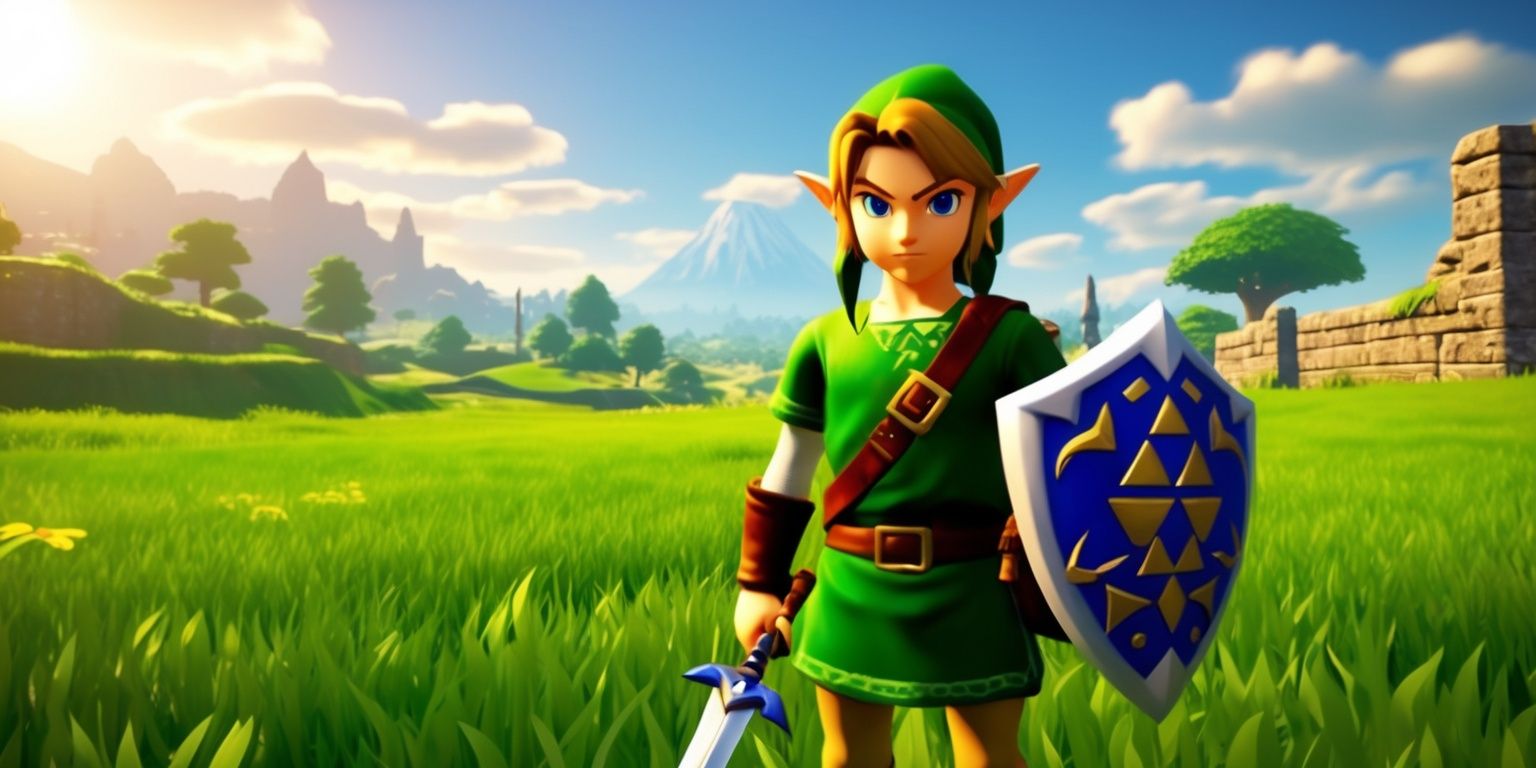
Once Epona is available, it is worth taking a moment to adjust to the control style. Horseback movement in this remake is not just a faster version of walking; it has its own pace, momentum, and spacing demands. The player must think about how turns are approached, when speed should be used, and how Epona responds when the path bends sharply. Spending time in the pen builds confidence for the race that follows. The area also reveals the role of the carrot meter, which governs bursts of speed and creates a rhythm of push and recover. Because of that system, riding is not about holding speed nonstop. It becomes a small tactical loop in which acceleration needs to be used with intention, not wastefully.
The first challenge with Ingo
After the basics are understood, Ingo offers a race for 20 Rupees. This first contest is not yet the prize match, but it matters because it reveals the truth behind test. The race takes place around the same horse pen, so the player is already familiar with the layout, which means the challenge comes from execution rather than surprise. Ingo is not impossible to beat, but he is quick enough to punish sloppy steering. The goal here is to prove that the player can stay efficient around the course while using carrots wisely. The race builds tension through repetition, since the route remains exactly the same. What varies is the opponent’s pressure and the need to drive with more purpose as the lap unfolds.
Keeping to the center line
One of the most effective habits during the race is to stay roughly in the middle of the track. That positioning gives the rider more room to navigate turns without scraping against the fencing, and it also reduces the chance of being forced outward by Ingo’s pathing. The center line works as a kind of invisible guide, letting the player prepare for corners with more precision. If the horse drifts too far toward the edges, the race becomes awkward very quickly, especially on the tighter bends where speed and correction compete with each other. Staying centered also preserves options. It makes it easier to adjust direction mid-race and prevents a lot of the small errors that can turn a close contest into a frustrating one.
Using speed in short bursts
The carrot system is the heart of the horseback rhythm, and the race is much easier when those boosts are used in the right moments. Rather than using every boost as soon as it appears, the smarter approach is to apply them regularly without draining the meter too early. Short bursts keep Epona moving assertively, particularly on the longer straight sections, while still leaving enough energy for urgent moments near the end. The design subtly teaches restraint. If the player burns through all available speed too soon, the horse loses momentum just when it matters most. That is why the race feels more like a measured run than a pure sprint. Timing is more valuable than aggression, and the meter rewards awareness over impatience.
The final push before the line
the final segment of the competition is where the whole lesson comes together. Saving one carrot for this section can create the extra distance needed to finish ahead of Ingo, especially if the rest of the lap has been smooth but not dominant. The game makes the closing phase feel important by letting the carrot meter begin refilling, which is a useful signal that Epona is losing momentum and needs a stronger burst of speed. That visual cue helps the player judge when to stop conserving and start committing. The end of the race is not just about raw pace; it is about recognizing when the track opens up enough to make a final move. A well-timed boost here often decides the outcome more cleanly than any maneuver earlier on.
The rematch with higher stakes
Winning the first race does not end the situation. Ingo reacts poorly to defeat and immediately pushes for another round, but this time the terms are far more significant. The layout remains the same, which means the player already knows the track, but Ingo rides faster and forces sharper judgment. This rematch is the real prize match, and it is structured to feel more intense without changing the basic rules. Because the route does not change, the pressure comes from speed and consistency rather than learning something new. The player’s earlier practice becomes valuable here, since the challenge is really a test of whether the first race taught enough control, spacing, and carrot management to stay ahead under tighter conditions.
Jumping the ranch boundary
After the race is won, Epona belongs to Link, but leaving the ranch still requires one more clever step. Ingo does not simply let the player ride off freely, so escape depends on a horse’s natural ability to leap obstacles. The ranch is enclosed by fences, and that becomes the solution rather than a barrier. Any suitable fence can be used to break out of the area, turning the space into a final practical puzzle. This moment feels satisfying because it uses the environment in a straightforward, almost playful way. Instead of searching for a hidden switch or another dialogue sequence, the player relies on movement itself. The result is a smooth transition from a restricted arena into an open world, which suits the game’s structure well.
Wider travel and map usefulness
Once the ranch is behind you, Epona becomes a major part of exploration. Hyrule Field in particular changes a great deal when crossed on horseback, since distances that once felt long now pass much more quickly. Epona’s Song also acts as a convenient summoning method in spaces where she can appear, making travel feel organized and dependable. The function is not universal across every region, but it is supported in several important outdoor areas, which gives the horse lasting value. That kind of utility matters in a game built around repeated backtracking and region-hopping. Riding can turn routine travel into something smoother and more enjoyable, and the song itself becomes a reliable reminder that the world is more connected than it first appears.
Placing the horse within the larger quest flow
Epona is more than a convenience feature. Her availability affects pacing, optional content, and the order in which some side activities feel worthwhile. After certain milestones, especially once the Forest Temple has been dealt with, the horse opens the door to tasks that are much easier to handle with faster movement across open ground. This makes the quest for Epona’s Song feel integrated into the broader adventure rather than isolated from it. Even the act of earning her has a polished sense of progression: first learning the song, then reacquainting her with Link, then proving skill in the race, and finally using that reward to make the world more manageable. Her presence changes how the game feels to move through, which is a meaningful shift in a world that prizes exploration.
Why the sequence feels memorable
The Epona sequence stands out because it blends mechanics, setting, and emotion in a compact space. The ranch is small, but it contains multiple layers of interaction: music, riding, racing, and escape. Each step has a clear purpose, and each one builds naturally into the next without requiring complicated instructions. The design also benefits from strong visual readability, since the pen, the fences, and the horse controls all reinforce the same idea of learning through motion. The whole process gives players a useful tool while also creating a strong sense of companionship with Epona. That mix of practicality and character is what makes obtaining Epona’s Song feel like more than an optional task, even before the horse begins carrying Link across the fields of Hyrule.